jummar

AR

EN

AR

EN

jummar
  • Features
  • Analysis
  • Audio
  • Visual
newsletter bg

Add your email to receive our English Newsletter

    alt
    Stories

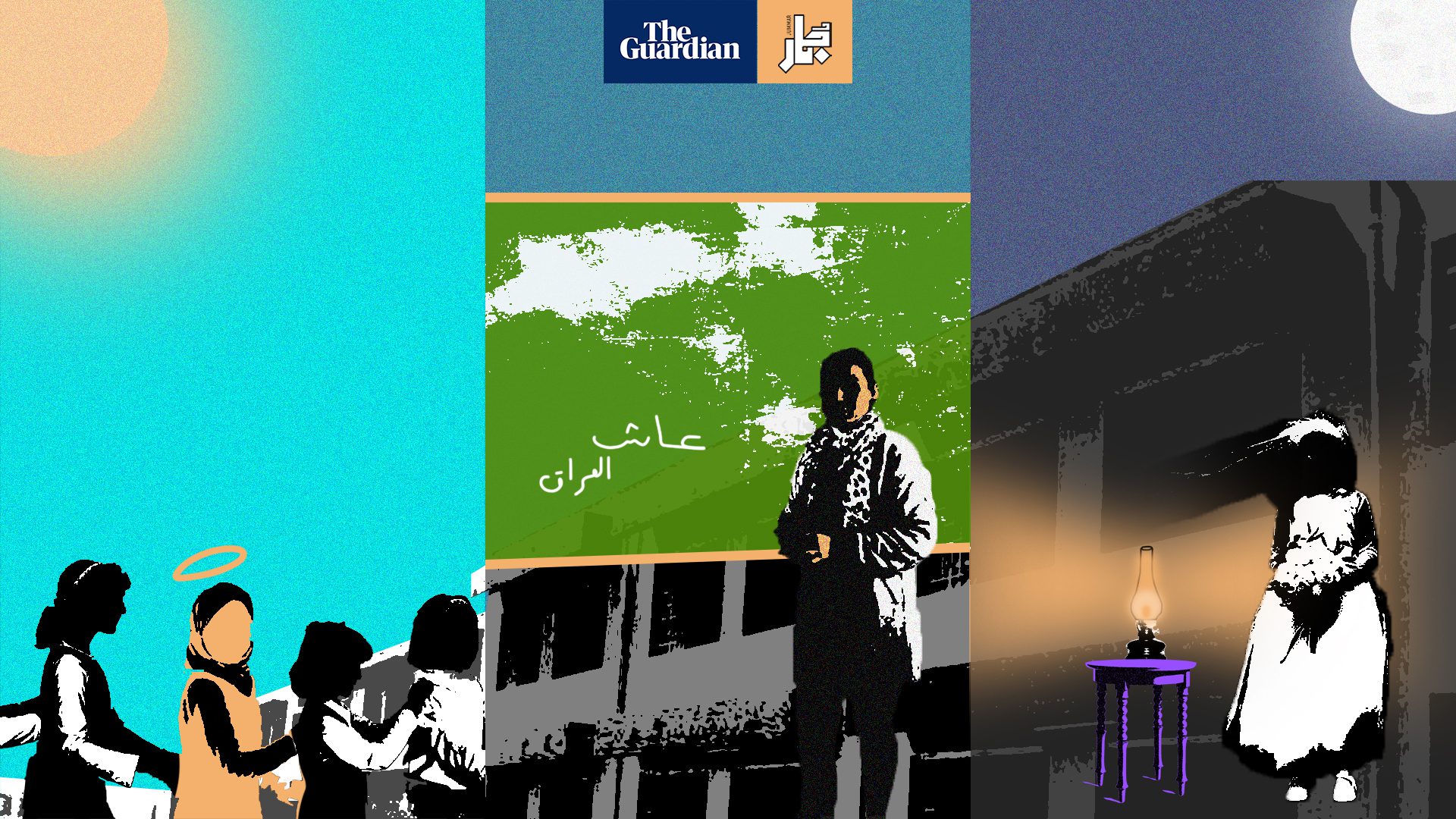
    “Flana” by Zahraa Ghandour: On the Dilemma of Being a Woman in Iraq 

    Zahraa Ghandour’s documentary “Flana” is not a film about women as a ready-made subject. It is about something more unsettling: The fraught reality of what it means to be a woman in Iraq. This is a long meditation on a film that took six years to make — and on the lives that made it necessary.

    alt
    Stories

    The War on Women in Iraq 

    One year on, what was presented as a legal “amendment” has revealed itself as a dismantling of women’s rights in Iraq. This article examines how the move institutionalised misogyny in law — and what it signals amid the global resurgence of authoritarian, masculinist politics.

    alt
    Stories

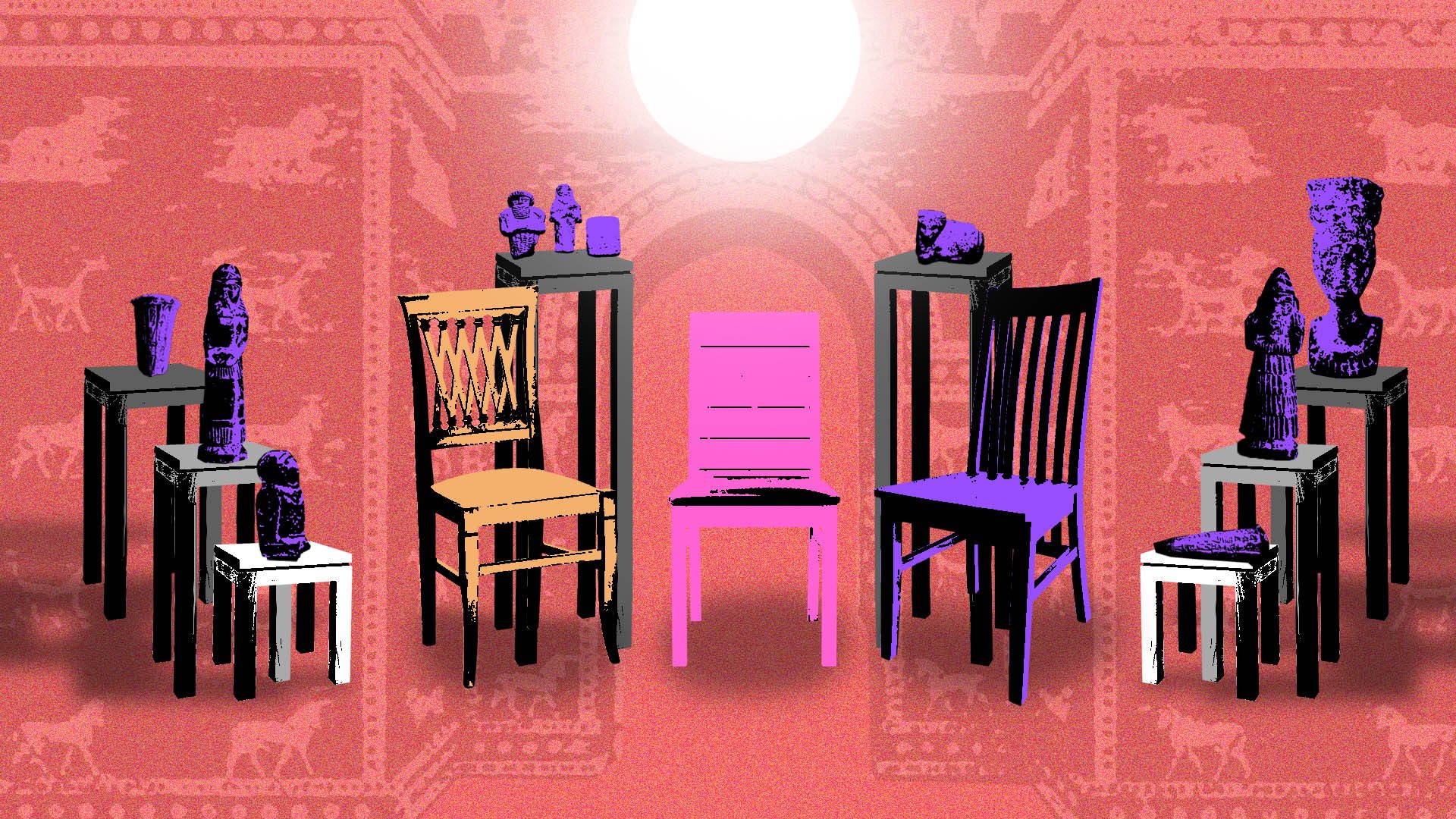
    Dream City and Suni’a Bisihrika — An Infrastructure of Relations with Baghdad as Shared Horizon, Toward Memory and Repair 

    This is Part II of our coverage of Suni’a Bisihrika – Made with Your Magic. This piece expands the review to examine Suni’a Bisihrika as an infrastructure of relations, building cultural networks across cities, borders, and generations.
    The piece traces how Baghdad emerges as a shared horizon— in a trans-Arab circuit, shaping how memory, care, and resistance circulate across the exhibition’s unfolding journey.

    alt
    Stories

    Just a Wet Nurse”: Motherhood under the shadow of male guardianship in Iraq

    In this intimate essay, Abrar Wadi examines how Iraqi personal status laws and norms reduce mothers to the role of caregivers—stripping them of legal guardianship and decision-making power in favour of absolute paternal authority.

    alt
    Stories

    Suni’a Bisihrika  – Made with Your Magic:  From Tunis to Baghdad and back 

    From 3 to 19 October 2025, the Dream City Arts Festival marked its tenth edition in Tunis, activating the Medina and parts of the city centre through contemporary art. This article is the first in a two part series focusing on the exhibition Suni’a Bisihrika (صُنع بسِحرك) — Made with Your Magic, curated by Tarek Abou El Fetouh. The author centres the work of Iraqi artists Ali Eyal, Sajjad Abbas, and Mounir Salah, whose practices build new worlds of learning, friendship, and survival from within Iraq in the void left by weakened or destroyed institutions.

    alt
    Stories

    From Five Years to Five Wears: How Iraqis’ Clothes Changed from the 1990s to Today 

    What did Iraqis wear in the 1990s, and how has Iraqi fashion changed since? How did the lifespan of a shirt shrink from five years to just five wears? This is the story of Iraqi clothing, shaped by war and economic collapse and decades of overlapping crises, from the sanctions era to today.

    alt
    Reports

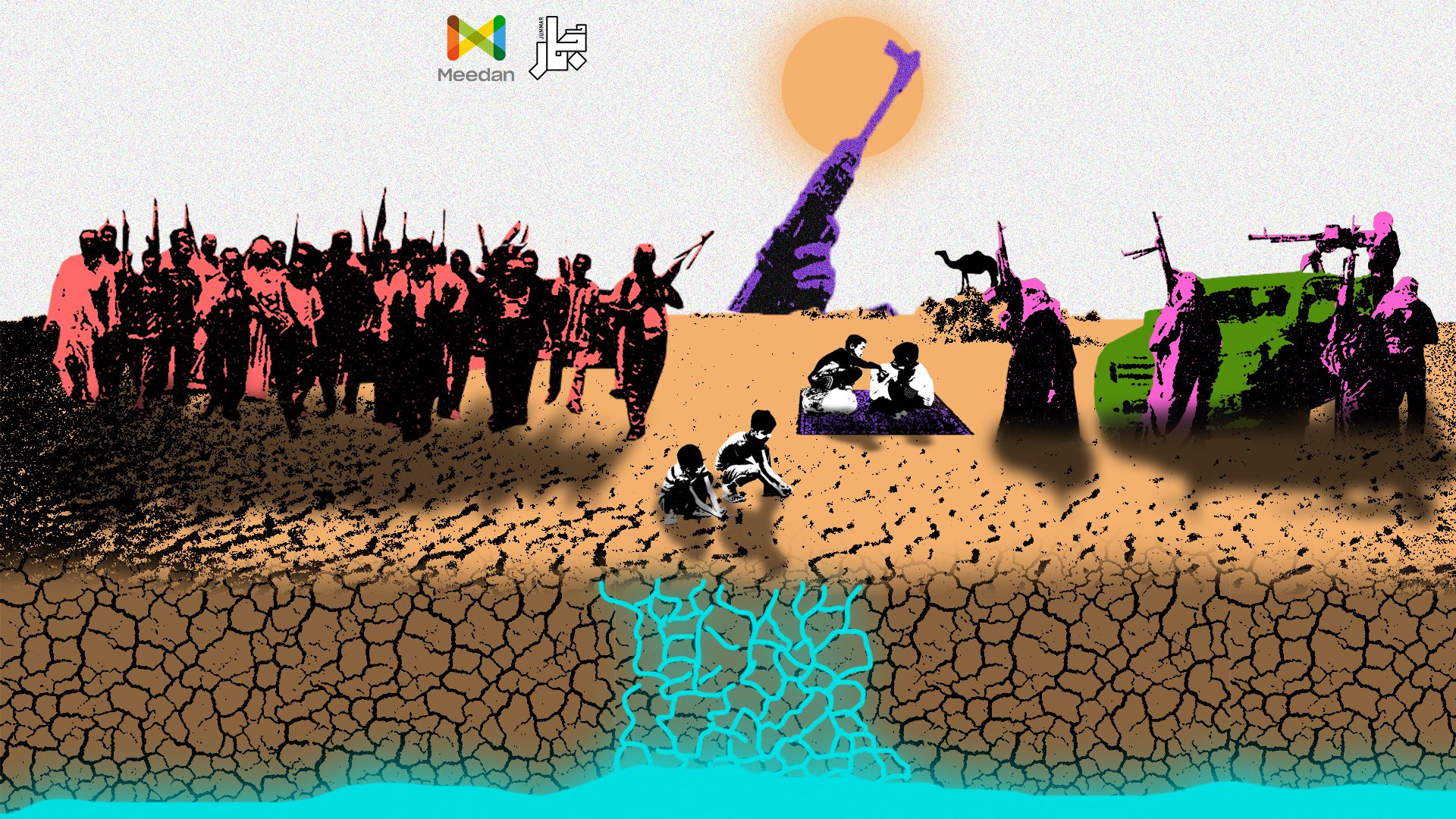
    What Happens to Water at the End of the Tigris and Euphrates: Water sustains oil fields while Basra runs dry

    As Basra’s water crisis deepens, large volumes of water are being diverted to Iraq’s oil fields for reservoir injection. This investigation examines how oil production drains resources from people and farmland in one of the country’s most water-stressed regions.

    alt
    Reports

    Sexual violence in Iraq: The normalisation of a structural crisis  

    This article situates the mass sexual harassment incident in Basra within a broader pattern of systemic violence against women, connecting it to escalating domestic violence in Iraq, a culture of impunity, and moral double standards that hold victims responsible for their presence in the public sphere while allowing perpetrators to go unpunished.

    alt
    Reports

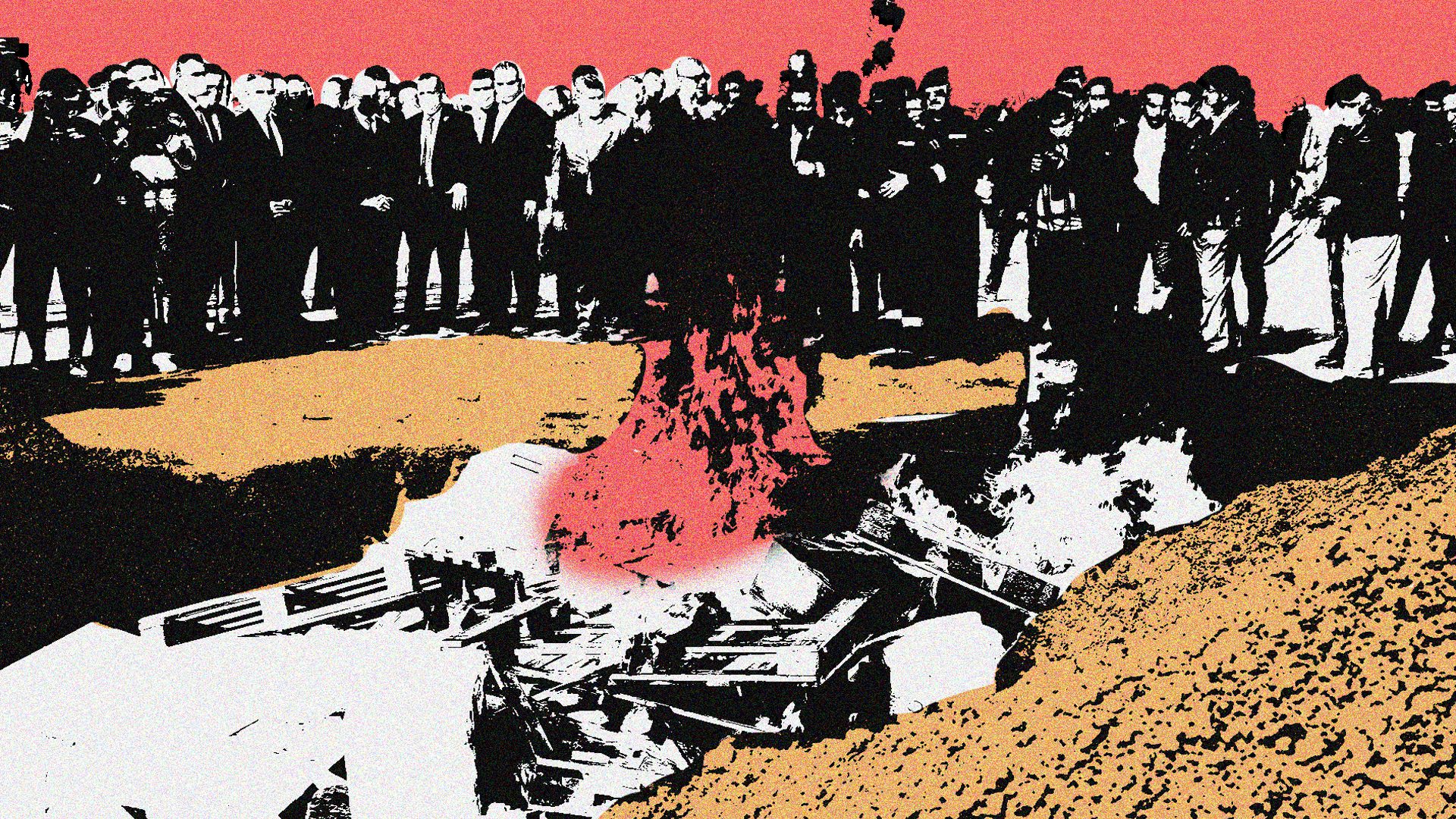
    From arbiter to actor: The politicisation of Iraq’s courts 

    How did the judiciary, an entity meant to be impartial, turn into a central actor in Iraq’s complex political landscape? Is there a way out of this entanglement? This is the story of a judiciary walking a tightrope, pulled from every direction.

    alt
    Reports

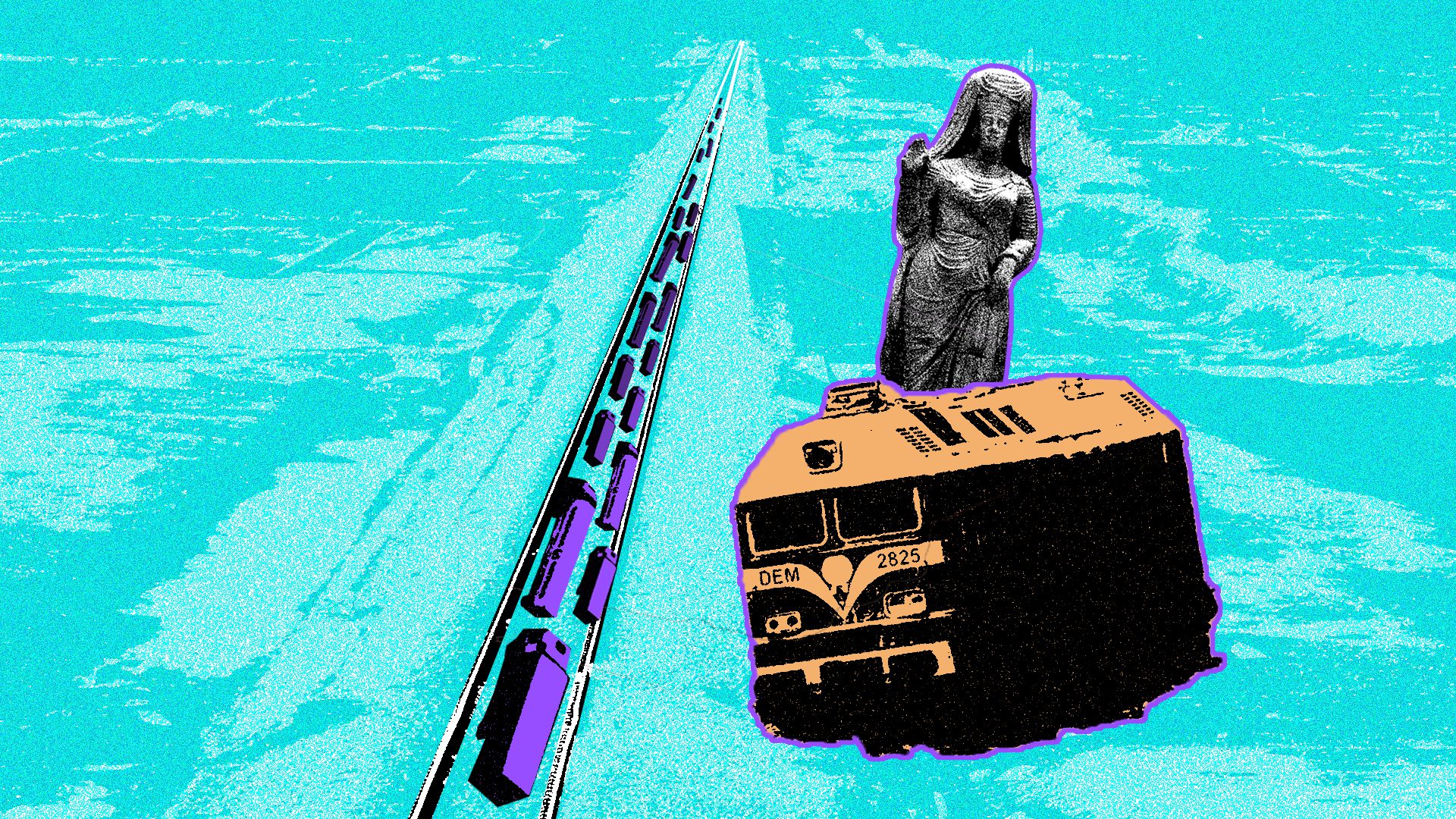
    One state, three memories: Iraq’s divided identity 

    One hundred years after the establishment of the Iraqi state, national identity remains elusive: a country unified by borders, yet divided by memory. This piece examines how history, sectarianism, and political rupture have fractured Iraq’s sense of identity — and why the state has repeatedly failed to reconcile them.

    • «
    • 1
    • 2
    • 3
    • 4
    • …
    • 15
    • »
    newsletter bg newsletter bg

    Add your email to receive our English Newsletter

      • Visual
      • Audio
      • Analysis
      • Features
      • About Jummar
      • Infographic
      • Photography
      • Cartoons 
      • Podcast
      • Comment
      • Diaries 
      • Reports
      • Stories
      • Interviews 
      • Who are we
      • Our Partners
      • Contact Us
      سياسة الخصوصية
      |
      شروط وأحكام استخدام الموقع

      المحتوى متوفر تحت رخصة المشاع الإبداعي 4.0